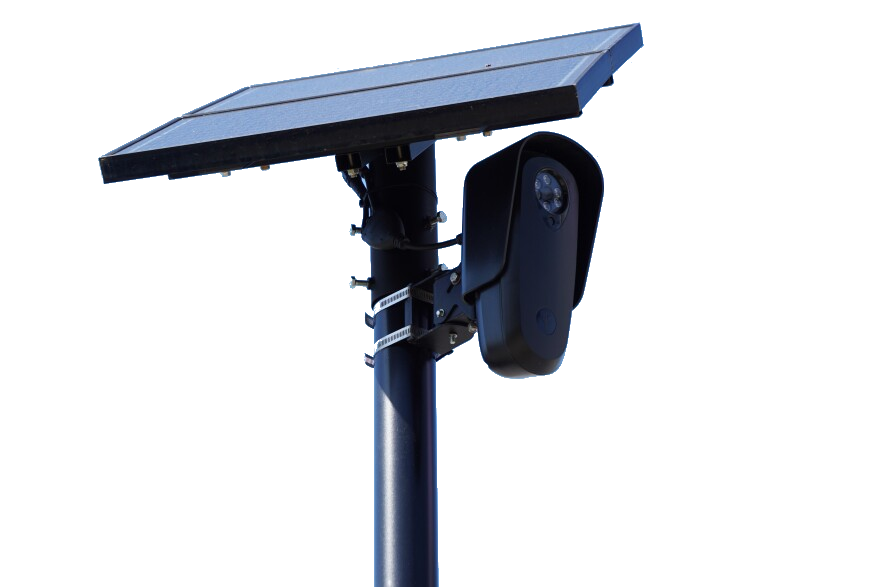
What are Flock Cameras?
Flock cameras are used by police to help solve crimes. They are not to be confused with speeding cameras or red light cameras which give citations. Flock cameras are only meant to be used for active investigations into crimes.
These cameras use AI to capture what is called a vehicle fingerprint, registering not just the car’s license plate, but also the make, model, color, and other distinguishing features like roof racks, damage, rust, and even bumper stickers.
Police are granted access to Flock’s network of over 100,000 cameras across the country and can search the database by typing in the plate number or description of a vehicle. Camera footage is typically searchable for 30 days before it is deleted, but jurisdictions can set their own retention periods.
What are the issues with this technology?
Flock offered free trials to many cities and towns, including Providence, Pawtucket, and Woonsocket. These free trials allowed police departments to quietly insert the cameras into cities without it needing to appear on any budget, without it needing to be put up for a vote, and without an opportunity for public comment. This is a large part of why the technology was able to spread so rapidly across the country.
The language used by Flock when addressing police departments and subsequently used by police departments to address their local governments has been misleading. The term license plate reader alone hides the fact that they use artificial intelligence and capture much more information than a simple camera. It also obscures the much greater issue of what this type of database can show and how it can potentially be used. It reveals not only the intimate details of where people are going – where they attend religious services, protests, political events – but also can capture unlimited metadata about people’s driving behavior, including what times they travel, who they are seen traveling with, and much more.
There are currently no state or federal laws which limit how these cameras can be used. Flock’s contracts also do not protect against what these cameras can be used for. There is no protection against third parties acquiring this data and using it for other purposes not specified in the contract. Flock uses misleading language within their contracts to cover up the fact that even though there may be a 30 day retention period for captured footage, because it is being interpreted by AI, there is no limit to how long they may hold on to the derived data or what they may do with it. Even though they say they delete the images, they are not guaranteeing that all the data about what vehicle passed by each camera at what time is ever deleted.

The Problem is bigger than Flock
Flock has received the most attention, but it’s important to remember that it’s not this one company or this one technology that is the problem. Many cities who have canceled their Flock contracts have quickly signed on with other companies like Axon. More importantly, surveillance is built into many of the other technologies we have grown to rely on such as cell phones, social media, and Internet of Things connected smart devices. It’s important to reject surveillance as a whole because of what it implies. Surveillance has been used by authoritarian governments to monitor and control their populations.
What can we do?
Cities are already starting to listen and have begun canceling their contracts. We have seen it in South Kingstown, Glocester, and Narragansett. Little Compton voted to table indefinitely a request for Flock cameras.
However, not all city and town councils are receptive to the public’s concerns. East Providence and Tiverton are two examples where concerns brought up by residents have been dismissed.
The way to get them to listen is to get organized. Try to get as many people in your city or town to write emails, speak to city council members, or attend meetings and make public comments. There are helpful guides in the links below. Attending our meetings can also be a good way to learn more about the process and help with a campaign in your town. It’s also a good idea to watch videos of others who have spoken up about Flock at city council meetings.
It’s important to also seek out and use open source, privacy-first software and devices. If you have an android phone, you can remove google and install an open source operating software like graphene. You can also buy already degoogled phones from companies like Above Phone. It is also imperative to get off of Facebook and Google Mail as these are large corporations that profit from surveillance. Proton is one good alternative to google mail. Signal is also a good privacy focused messaging app.
Links
deflock.org/council – Guide to petitioning city council and examples of recent victories
https://github.com/DeflockYourCity/flock-alpr-toolkit/tree/main – Comprehensive guide to petitioning city council with extensive research
Dontgetflocked.org – App for finding flock cameras and creating routes that avoid the cameras, as well as lots of relevant information.
https://keepandroidopen.org/ – campaign to fight Google’s attempt to require registration and payment from anyone developing apps for the open source android operating system
https://abovephone.com/ – degoogled phones and laptops
proton.me – privacy focused email
signal.org – privacy focused messaging app
Leave a Reply